Recent Curiosities
What I've been into lately, continued.

It’s been great to be back home for a while- especially because plans for the physical reality of GoodRiches Books have sprung into lightspeed. (Yep, that’s a Star Wars reference.) Stay tuned for more updates…
I’m working on my next post on James Marriott’s BBC podcast series, as well as a more direct and complete introduction to the larger GoodRiches project. In the meantime, here’s a sampling of what’s caught my eyes and ears of late.
In my previous post, I wondered about the value of reading aloud, so this essay from the Card Catalog Substack was timely for me. It confirms my own bias toward the value of handwriting while affirming the value of oral culture:
Research has confirmed that concern on one specific point: when we write things down, we do remember them less precisely than when we hold them in memory alone. The oral cultures Socrates belonged to had developed extraordinary memory practices, and writing did erode those practices over time. But Thamus’s prediction that writing would produce shallow thinkers turned out to be wrong about the trajectory. Writing made possible an entirely new kind of thinking that oral memory couldn’t achieve: it accumulated knowledge across generations and gave individuals the ability to reason at a scale no single mind could sustain.
In a somewhat similar vein, as a huge fan of David Epstein’s book Range, I was happy to listen to his EconTalk interview with Russ Roberts on his new book, Inside the Box. It’s an interesting inquiry into how adding constraints to our lives might actually make us more creative and productive. It’s an intriguing and counterintuitive idea that I’d like to try.
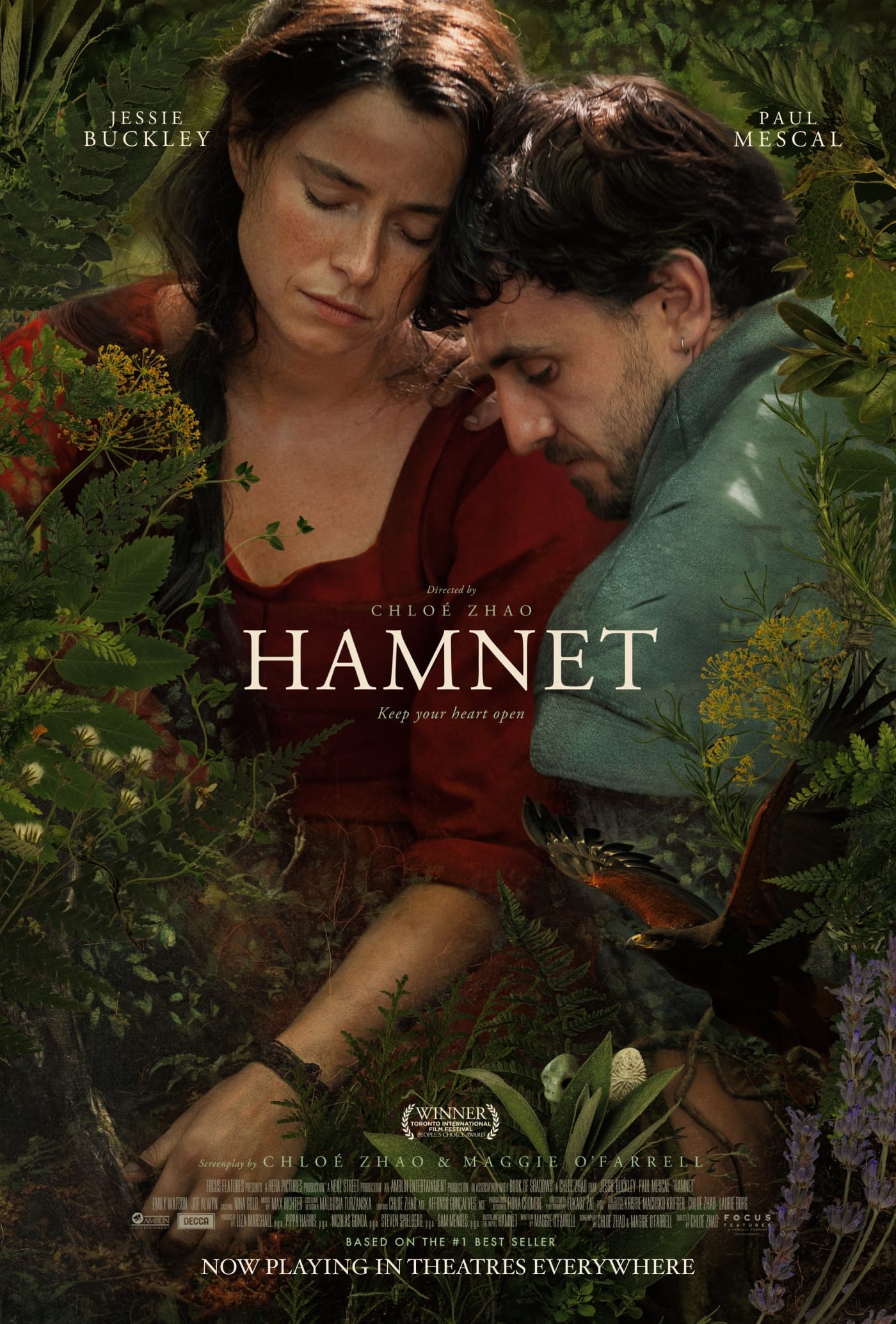
I finally watched Hamnet. I’d read the book and liked it a lot… This may be one of the very rare instances in which I think the film is better! This is especially true for the production of Hamlet that Will stages at the Globe at the end of the film. I really saw the play differently, and I think in the way O’Farrell intended. I recommend, and I recommend that you bring tissues…
I recently read Second Act: What Late Bloomers Can Tell You About Success and Reinventing Your Life, by Henry Oliver, who’s also one of my favorite Substackers. It’s filled with vignettes of some of the greatest late bloomers, including Katherine Graham, Vera Wang, Frank Lloyd Wright, and Julia Child, among many others. If you’re looking for some inspiration and tips on making a midlife change, I think you’ll profit from it as well.
I have a new hero, Sister Rita! I devoured this New York Times story about a retiree’s dream of a mobile bookstore (sound familiar???). So many of you sent it to me as well, which made my heart happy! I love her description of the van as “a vehicle for the cross-pollination of people and conversation.” A kindred spirit!
Lottie Hazell’s Piglet was a compulsively (pun intended) readable novel on relationships, body image, and [British] social class. It’s a book that can double as a beach read and scathing social commentary. Delicious.
Many of you know my love of crime fiction, as well as my insistence on reading them in the order in which they’re published. While I’ve not finished all of her Hercule Poirot novels, I started on Miss Marple anyway with Murder at the Vicarage. Speaking of British social class… Too soon to tell whether I prefer the old busybody to the Belgian brain cell master.
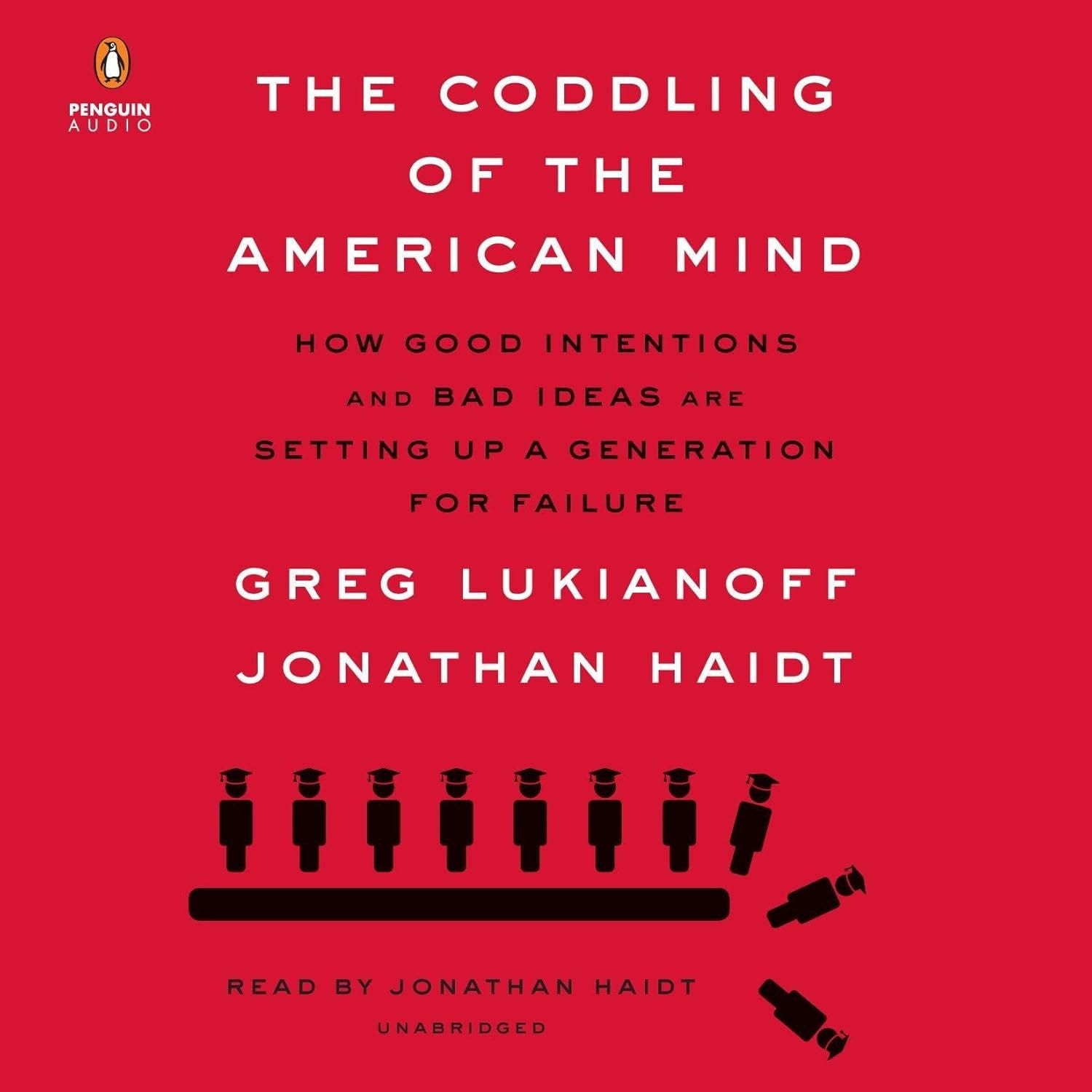
Finally, tis the season for the dreaded and lauded commencement address. I was sadly not surprised to see that NYU students protested the selection of Jon Haidt as speaker, based in part on his book The Coddling of the American Mind, co-authored with FIRE’s Greg Lukianoff. While Haidt’s The Anxious Generation has gotten all the press, I’ve LONG recommended Coddling to parents and educators alike. Here, Lukianoff fires back (pun intended).
That’s all for now. Do let me know what you’ve been reading/watching/listening to. I always appreciate new recommendations!